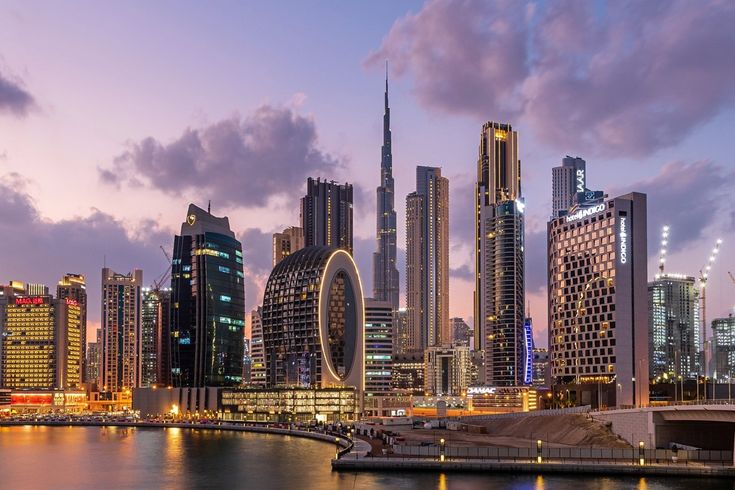
Dubai has never waited for the future to arrive. From launching one of the region’s most advanced metro systems to the early adoption of electric buses, smart taxis and autonomous mobility trials, the city has consistently stayed ahead of the curve in mobility innovation. Today, that forward-thinking mindset is reshaping how homes are designed and where communities are built by placing Dubai’s mobility, sustainability, and liveability at the heart of residential development.
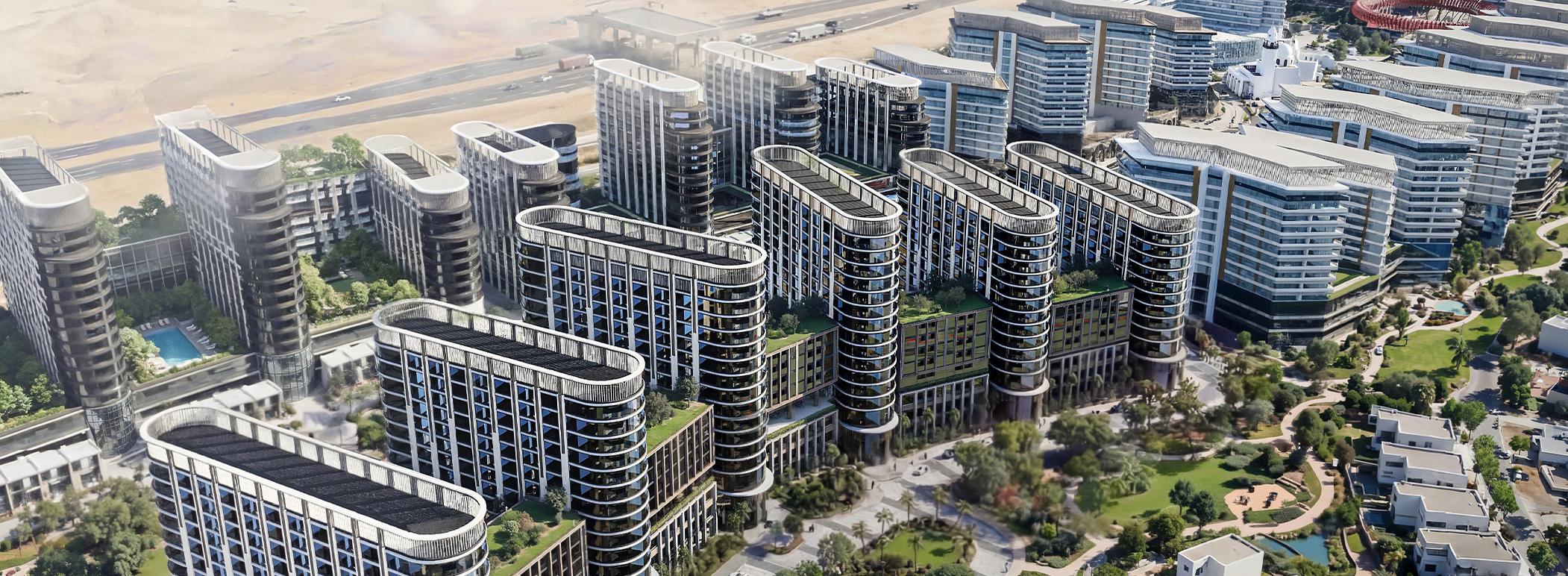
As part of the emirate’s long-term vision, the Dubai 2040 Urban Master Plan reimagines the city as a network of connected, people-first neighbourhoods in which homes are active components of a wider urban ecosystem where daily life is easier, greener, and far less dependent on private cars.
From addresses to connected neighbourhoods
Dubai’s approach is centered around the concept of the ’20-minute city,’ which aims to make workspaces, schools, healthcare, retail, and leisure facilities easily accessible within a short walk or cycle in new residential communities. This shift towards transit-oriented development involves planning homes in close proximity to metro stations, tram lines, and bus routes, creating seamless connectivity for residents to the city. The goal is to have more than half of Dubai’s population living within walking distance of public transport, reflecting the city’s clear ambition for accessible mobility. Dubai already has an expanding network of transportation options including metro, tram, taxis, and air-conditioned electric buses, all supported by the Roads and Transport Authority, making city-wide travel more efficient than ever. Residential developments are now being designed to integrate with this transportation infrastructure, ensuring that mobility is a fundamental aspect of the communities from the outset.
Designing for people, not just cars
The concept of walkability is increasingly becoming a defining feature of new neighborhoods. New neighborhoods are being transformed by the inclusion of shaded pedestrian pathways, tree-lined streets, and dedicated cycling tracks, which significantly impact how residents move within their communities. The traditional car-centric approach is giving way to a human-scale design that promotes walking, cycling, and micro-mobility for everyday journeys. This emphasis on active movement goes beyond recreational purposes and extends to daily commuting, as evidenced by Dubai’s expanding network of cycling and e-scooter routes designed for this very purpose. In addition, the incorporation of shaded corridors and climate-conscious planning in these routes ensures year-round comfort for commuters. Furthermore, homes are strategically positioned to seamlessly connect with these mobility networks, making sustainable modes of transportation the most convenient option for residents.
Preparing for electric and autonomous transport
Electric vehicles are increasingly becoming a standard feature in residential planning, reflecting a growing emphasis on sustainable transportation. Incorporating EV charging infrastructure has become a foundational amenity in new developments, highlighting a shift towards more eco-friendly living spaces. Meanwhile, Dubai is actively engaged in testing autonomous taxis, delivery robots, and drone logistics, showcasing a commitment to exploring advanced transportation technologies. Residential communities are now being purposefully designed to accommodate these innovations, with features such as shared mobility hubs and layouts that minimize the need for excessive parking. As a result, these developments are optimizing space usage and promoting a reduced dependence on private vehicles, contributing to a more sustainable and efficient urban environment.
Homes that move with the city
The story of Dubai has always been characterized by continuous momentum. As the city continues to invest in Dubai’s mobility, public transport, autonomous technologies, and sustainable infrastructure, the evolution of its homes is happening in parallel. The future of mobility is intricately woven into the very fabric of residential areas, shaping the way people live. By aligning visionary urban planning with considerate residential design, Dubai is demonstrating that the homes of tomorrow serve as platforms for a more connected, sustainable, and effortless means of transportation.